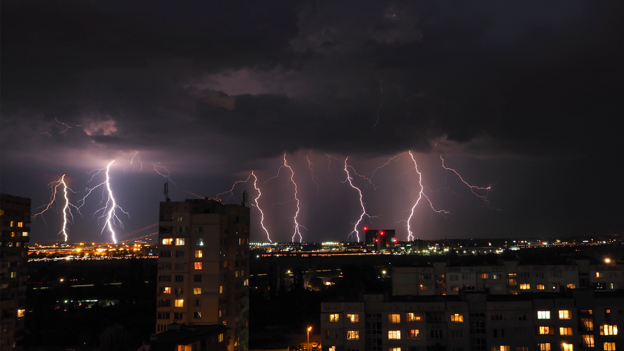
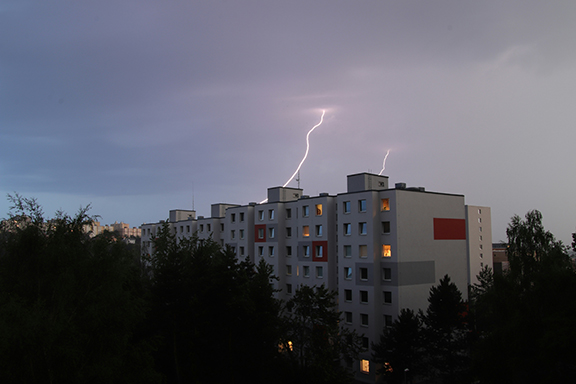
While the headlines regarding the new “Lightning Capital” are certainly attention-grabbing; as we discussed previously – we found a far more significant data point for the industrial and infrastructure sectors buried in the latest 2025 Vaisala X weather Report.
Nationally, lightning activity surged by 20% last year. But the real story isn’t just the volume; it’s the volatility of the timing. The peak of the lightning season hit on April 5th, moving the goalposts weeks ahead of the traditional “danger zone” that most facilities prepare for in late May or June.
A New Profile of Volatility
On that single day in April, over 3 million lightning strikes were recorded across the lower 48 states. This wasn’t just a weather anomaly; it’s a clear indicator of how a warming climate is “front-loading” atmospheric instability.
For those managing the electric grid, telecommunications, or high-value industrial assets, this shift creates a critical resilience gap:
- Maintenance Windows: Major storm activity is now peaking before many seasonal maintenance cycles and grounding checks are even scheduled to begin.
- Cumulative Stress: A 20% increase in total strikes means infrastructure is absorbing significantly more electrical stress annually than it was originally engineered to handle.
- The “Standard” Problem: Traditional codes provide a vital foundation, but they are often reactive. They don’t always account for the rapid, real-time shifts we are seeing in storm intensity and seasonality.
Moving from Compliance to Clarity
These trends are the driving reason behind the work we do at Skytree Scientific®. We believe that in an increasingly unpredictable climate, lightning risk assessments need to be more than a periodic “check-the-box” exercise.
We work to make these assessments accessible and easy to navigate for organizations that can’t afford a “wait and see” approach. Our perspective isn’t just about adhering to historical standards; it’s about translating the latest climate data into actionable strategies that protect your people and your operational continuity.
When the “old rules” of weather are being rewritten, your strategy has to evolve with them.
Explore the 2025 Lightning Report data here.
Is your facility’s protection plan ready for an early season? Contact us today to learn more about our modern approach to lightning risk assessment.